Independent living and health for a fulfilling senior life
Core components of health and wellness management
Key support pillars
Effective health management involves a coordinated approach to medical needs, balanced nutrition, and the handling of chronic conditions. It centers on creating a structured wellness plan addressing physical and cognitive health. This includes regular consultations, dietary oversight, and therapies designed to maintain functional abilities. The goal is to establish a stable health baseline and proactively manage aging issues.
Primary considerations include
Consistent medication schedules
Regular cognitive assessments
Preventative health screenings
Management of chronic illnesses
Access to physical therapy
Coordination with geriatric specialists
Scheduled medical appointments
Support for independent living
Support and aids to stay mobile
Get around safely
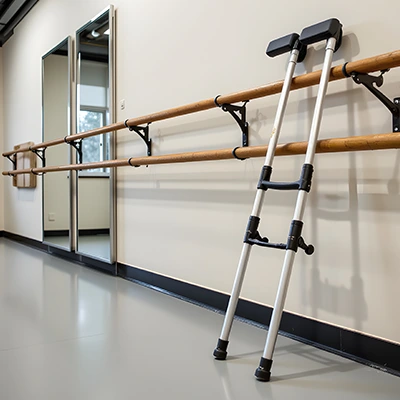
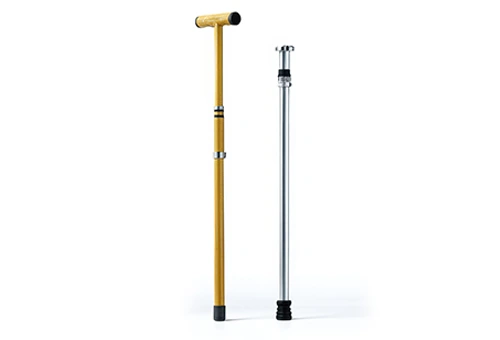
Adjustable canes and walking sticks accessories
They provide light support to maintain balance during daily movement.
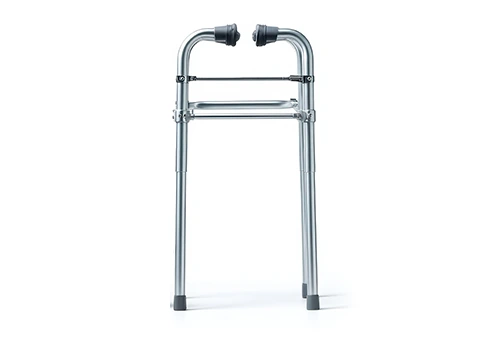
Walkers and ergonomic rollators
These devices allow you to move around safely while relieving strain on your joints.
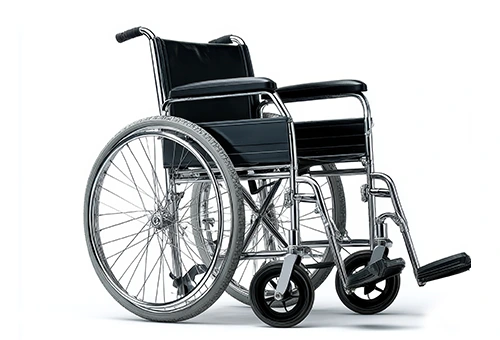
Manual or powered wheelchairs
They offer maximum autonomy to people with reduced mobility, for short or long journeys.

Personal support worker services
Daily assistance

Personal support workers play an essential role in enabling seniors to age in place safely. Certified aides assist with daily tasks such as nutritious meal preparation, hygiene, and housekeeping, while providing emotional support. They also provide assistance with out-of-home travel, medical appointments, and administrative procedures.
Their presence reduces fall risks at home, ensuring seniors enjoy a comfortable and secure environment, thus promoting their daily physical health and psychological wellness.
Senior Health insurance
Coverage for a peaceful retirement
Activities and gatherings for a fulfilling retirement
Social life and leisure
Maintaining an active social life and engaging in stimulating recreational events are essential for senior well-being. Participating in clubs, cultural workshops, or fitness groups helps keep them physically and mentally fit, while strengthening social bonds. Community outings and intergenerational gatherings provide opportunities for enriching sharing, fostering a sense of belonging and personal satisfaction. These moments of conviviality help prevent isolation, stimulate cognitive health, and make each day more dynamic and fulfilling.
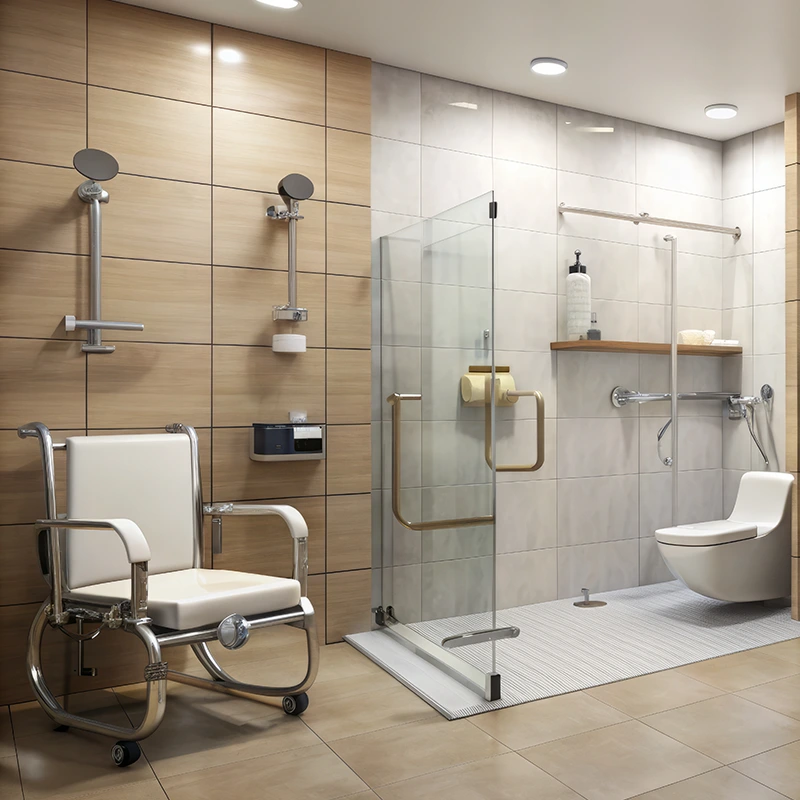
Structural modifications for accessible housing
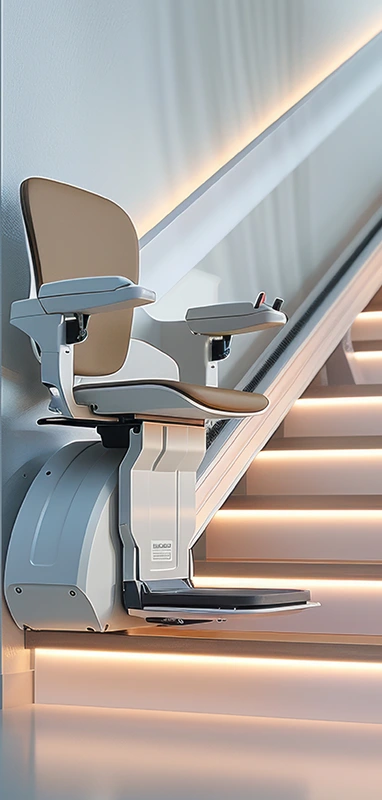
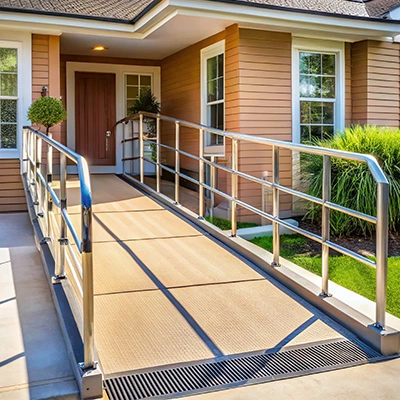
Making your home accessible is essential for maintaining resident independence, particularly for wheelchair users. Adjustments such as installing modular ramps, widening doorways, and adapting the walk-in shower allow for safe movement. Adding secure grab bars, non-slip floor coverings, and automated lighting also help reduce domestic accident risks. These solutions promote a comfortable, independent daily life, while providing peace of mind to residents and their loved ones.